
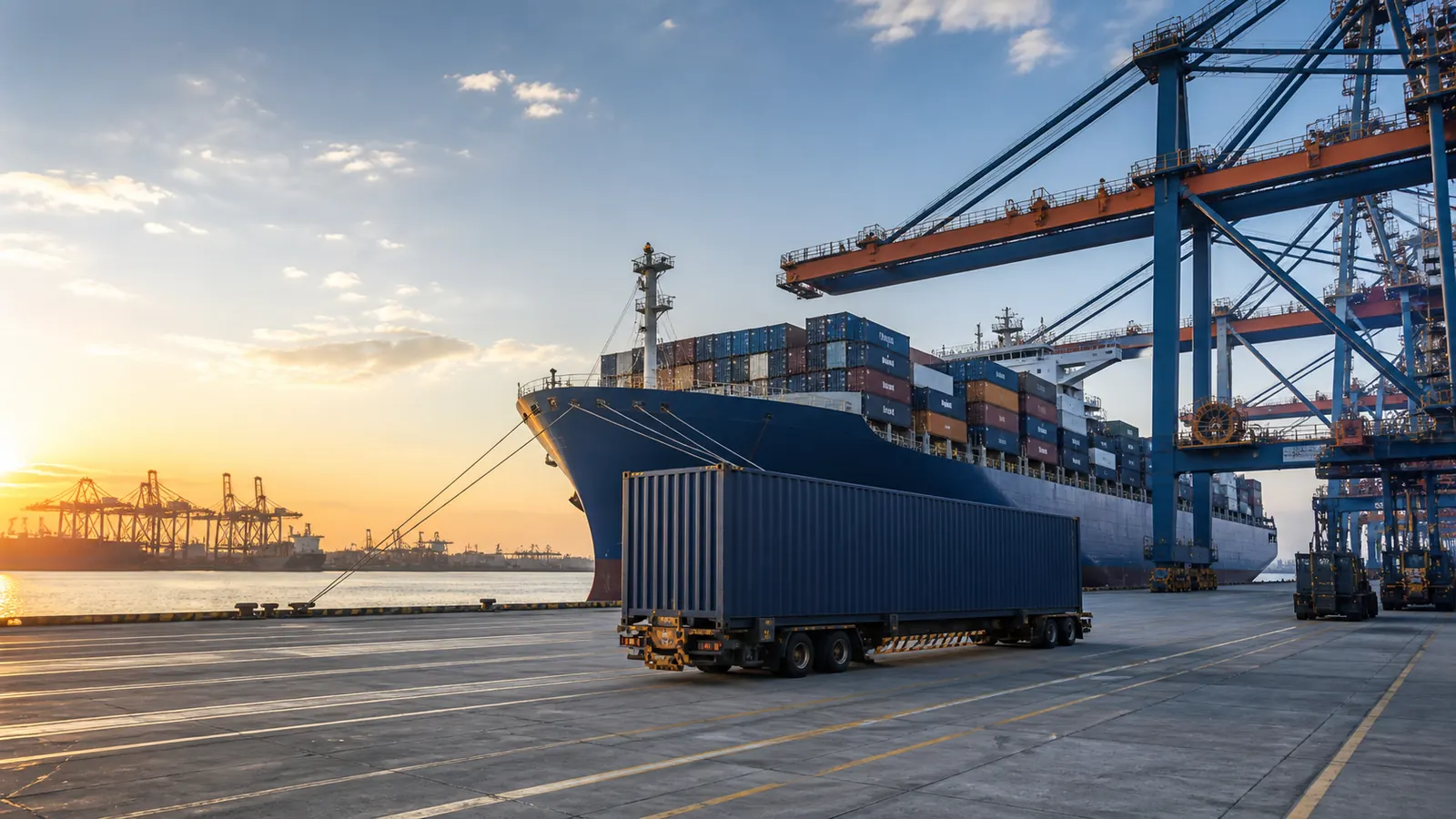
Full-container-load shipping is one of the most reliable ways to move commercial cargo from China to ports around the world. An FCL shipment gives one shipper the exclusive use of a container, reduces the number of cargo-handling points and makes it easier to plan loading, sealing and delivery. However, a container booking should never begin with container size alone. The first question is what type of cargo will be loaded.
For practical export planning, E-Quicky separates cargo into three review groups: ordinary general cargo, battery-powered cargo and dangerous goods. These groups require different booking data, documents, packaging controls and carrier approvals. Incorrect classification can lead to rejected bookings, port delays, container rollovers, customs problems or additional charges.
This guide explains how FCL shipping from China works, which documents are normally required and what importers should prepare before asking for a quotation. Requirements remain route-, product- and carrier-specific, so the final checklist must always be confirmed against the actual cargo and destination port.
Why Choose FCL Shipping from China?
FCL is usually considered when the shipment can economically use most of a 20-foot or 40-foot container, when the cargo is heavy or bulky, when loading control is important, or when different suppliers will consolidate into one container under a coordinated plan. Common equipment includes 20GP, 40GP and 40HQ dry containers. Open-top, flat-rack, refrigerated and other special equipment may be used when cargo dimensions, temperature or handling requirements demand it.
A full container does not automatically mean faster transit, but it normally provides better control over loading and cargo separation than shared-container shipping. The container can be inspected before loading, cargo can be blocked and braced for the planned sea route, and the seal number can be recorded immediately after loading. The importer also receives a clearer unit for port handling, customs release and inland delivery.
Chinese ports connect with major trade lanes serving North America, Europe, the United Kingdom, the Mediterranean, the Middle East, Africa, Latin America, Southeast Asia, Australia and New Zealand. The best port of loading is not always the closest port. Equipment availability, dangerous-goods acceptance, cut-off times, direct sailings, transshipment risk and the consignee's destination clearance capability all influence the routing decision.
Step One: Classify the Cargo Before Booking
Cargo classification must be completed before a carrier is asked to confirm space. A vague description such as accessories, parts, electronics or chemicals is not sufficient. The commercial invoice, packing list, customs declaration and bill of lading instructions should use consistent, accurate product descriptions.
Ordinary general cargo is cargo that is not regulated as dangerous goods and does not contain batteries or other specially controlled components. Battery-powered cargo is a commercial screening category rather than an IMDG hazard class. After technical review, a battery shipment may be regulated as dangerous goods or may qualify for specific provisions under the applicable rules. Dangerous goods are substances or articles assigned a UN number, proper shipping name, hazard class and other transport conditions under the current IMDG Code.
The classification decision determines which shipping line can accept the cargo, the packaging and marking requirements, whether a dangerous-goods booking is required and which documents must be submitted before the carrier's cut-off.
Category 1: Ordinary General Cargo
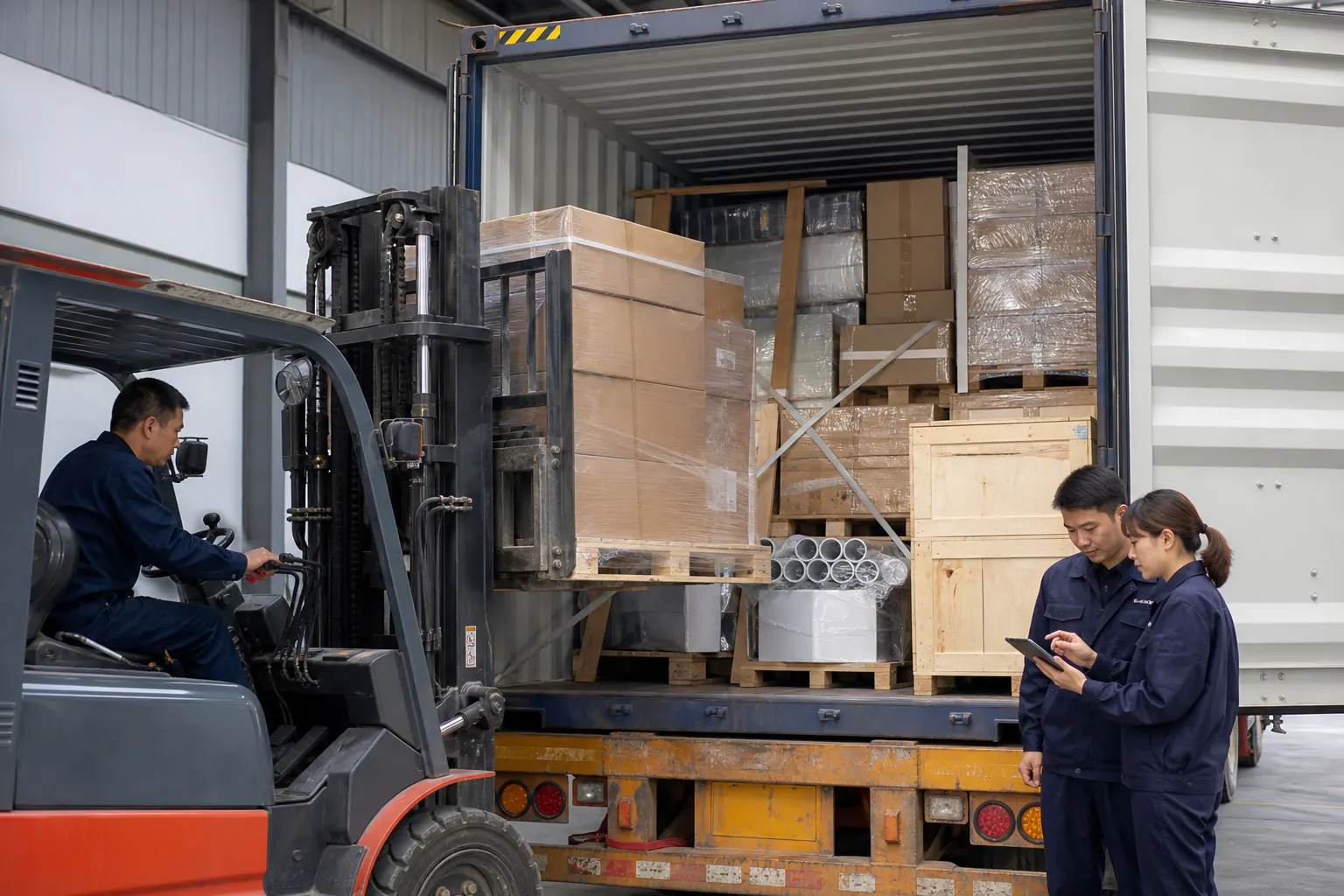
Examples of ordinary cargo include furniture, textiles, non-powered machinery, metal parts, ceramics, empty packaging, many household products and other goods that contain no regulated substances. These shipments normally have the simplest documentation process, but accurate data is still essential.
The shipper should provide the full product name, material, use, model, quantity, package type, gross weight, net weight, dimensions and HS code. If the product is made of wood, food-contact material, plant material or another controlled commodity, additional certificates or inspection requirements may apply. Ordinary cargo can become a compliance problem when the description hides magnets, liquids, gas cartridges, engines with fuel, batteries, chemicals or other restricted components.
Before loading, the container should be checked for structural damage, holes, water, strong odours, contamination and floor defects. Cargo weight must be distributed correctly. Heavy cases require suitable blocking, bracing and lashing, while cartons need protection from movement, crushing and moisture. The final package count, container number and seal number should match the shipping records.
Documents for Ordinary General Cargo
Commercial invoice. It should identify the seller and buyer, provide an accurate product description, quantity, unit price, total value, currency, Incoterm and country of origin. The product name, specification and model should be consistent with the customs declaration.
Packing list. It should show the package count, packaging type, item quantities, net weight, gross weight and dimensions. For multiple products, the packing list should make it possible to match each item to its packages.
Export customs declaration data. The HS code, customs description, brand, model, material, use, origin, quantity, value and regulatory information must be prepared according to the actual goods. Licences, inspection documents or supervision certificates are added when the commodity requires them.
Shipping instructions and bill of lading details. These include the shipper, consignee, notify party, ports, marks and numbers, package count, cargo description, gross weight and measurement. The draft bill of lading should be checked before confirmation.
Verified Gross Mass. Under SOLAS, the shipper named in the transport document is responsible for providing the verified gross mass of the packed container in time for the vessel stowage plan. A container without VGM should not be loaded unless the required verified mass is obtained through an accepted process.
Supporting documents when applicable. A certificate of origin, fumigation certificate, phytosanitary certificate, export licence, inspection certificate or other commodity-specific document may be required by the product, destination or trade agreement.
Category 2: Battery-Powered Cargo
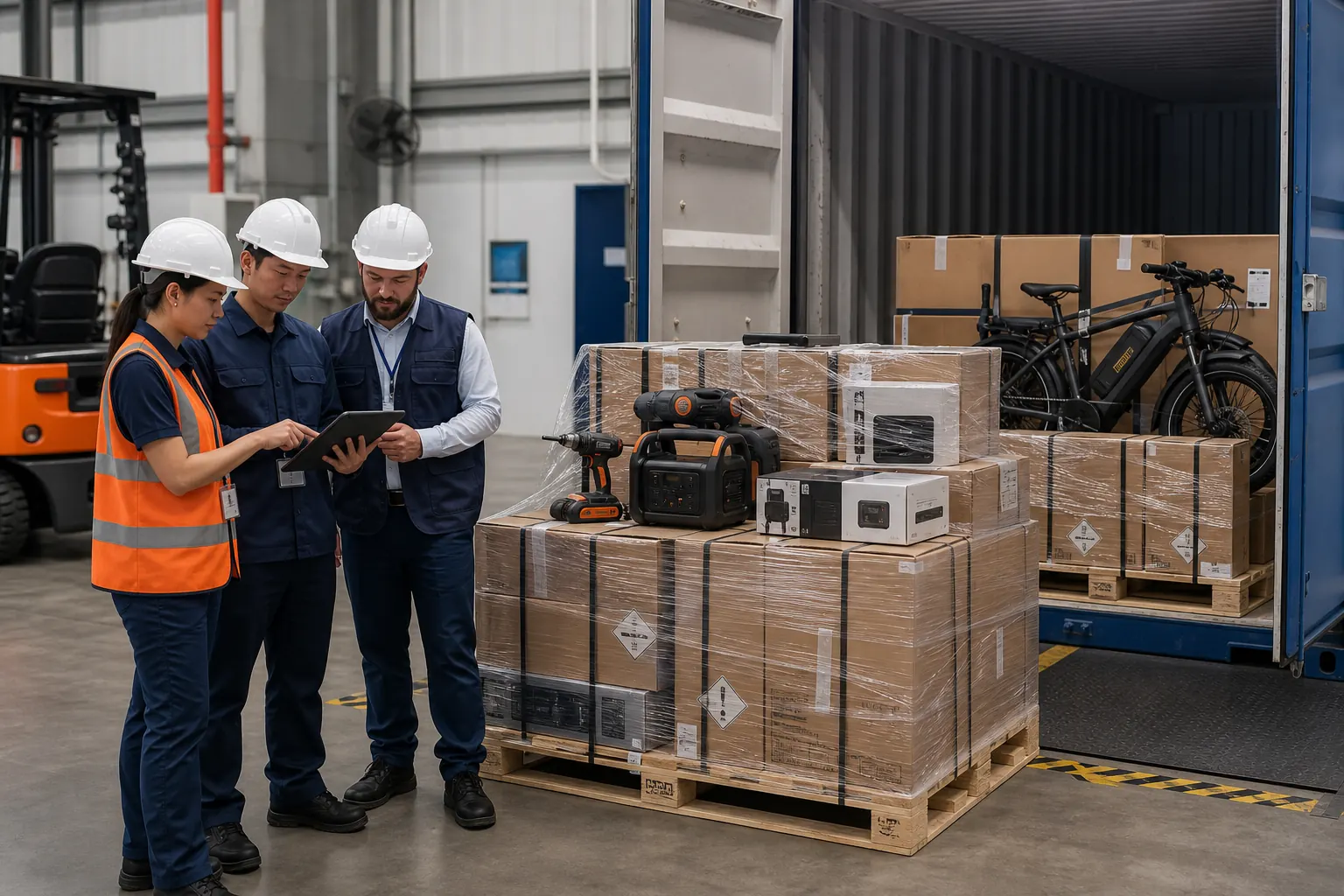
Battery-powered cargo includes products with batteries installed, products packed with spare batteries, power banks, battery packs, electric bicycles, scooters, energy-storage products, tools, drones, consumer electronics and other electrically powered equipment. The words electronic product are not enough for booking. The battery chemistry, configuration and rating must be identified.
For lithium batteries, the review normally includes whether the battery is lithium ion or lithium metal, whether it is shipped alone, packed with equipment or contained in equipment, the battery model, watt-hour rating or lithium content, number of batteries per package and whether the batteries are new, used, damaged, defective or recalled. Damaged, defective, recalled and waste batteries require separate evaluation and may not be accepted through a standard service.
A product containing a battery may still be regulated as dangerous goods for sea transport. Acceptance depends on the applicable UN entry, packing instruction, special provisions, state-of-charge rules when relevant, packaging, marks, labels, container stowage and the shipping line's operational policy. Never load undeclared batteries into a container booked as ordinary cargo.
Documents for Battery and Battery-Powered Cargo
UN 38.3 test summary. Manufacturers and subsequent distributors of lithium cells and batteries should make the test summary available. It identifies the manufacturer, test laboratory, report reference, battery description, model, mass, watt-hour rating or lithium content, tests performed and pass results.
Safety Data Sheet. The SDS or MSDS provides information about chemistry, hazards, handling, storage and emergency response. It supports the review but does not replace correct transport classification or the UN 38.3 test summary.
Battery specification sheet. This should confirm chemistry, model, voltage, amp-hour capacity, watt-hour rating, lithium content where applicable, battery weight and installation configuration. The model must match the battery, product and UN 38.3 documentation.
Product and packing evidence. Clear photographs should show the product, battery location, terminals, inner protection, carton, pallets, marks and labels. A packing diagram may be requested for high-capacity batteries, energy-storage equipment or complex products.
Dangerous-goods documents when applicable. If the shipment is regulated under the IMDG Code, the carrier may require a dangerous goods declaration, container packing certificate and other data listed in the dangerous-goods section below. Carrier approval must be obtained before loading.
Commercial shipping documents. The invoice, packing list, customs information, shipping instructions and VGM remain required. Descriptions such as battery-powered tool with lithium-ion battery installed are more useful than generic descriptions such as tool or electronic product.
Category 3: Dangerous Goods
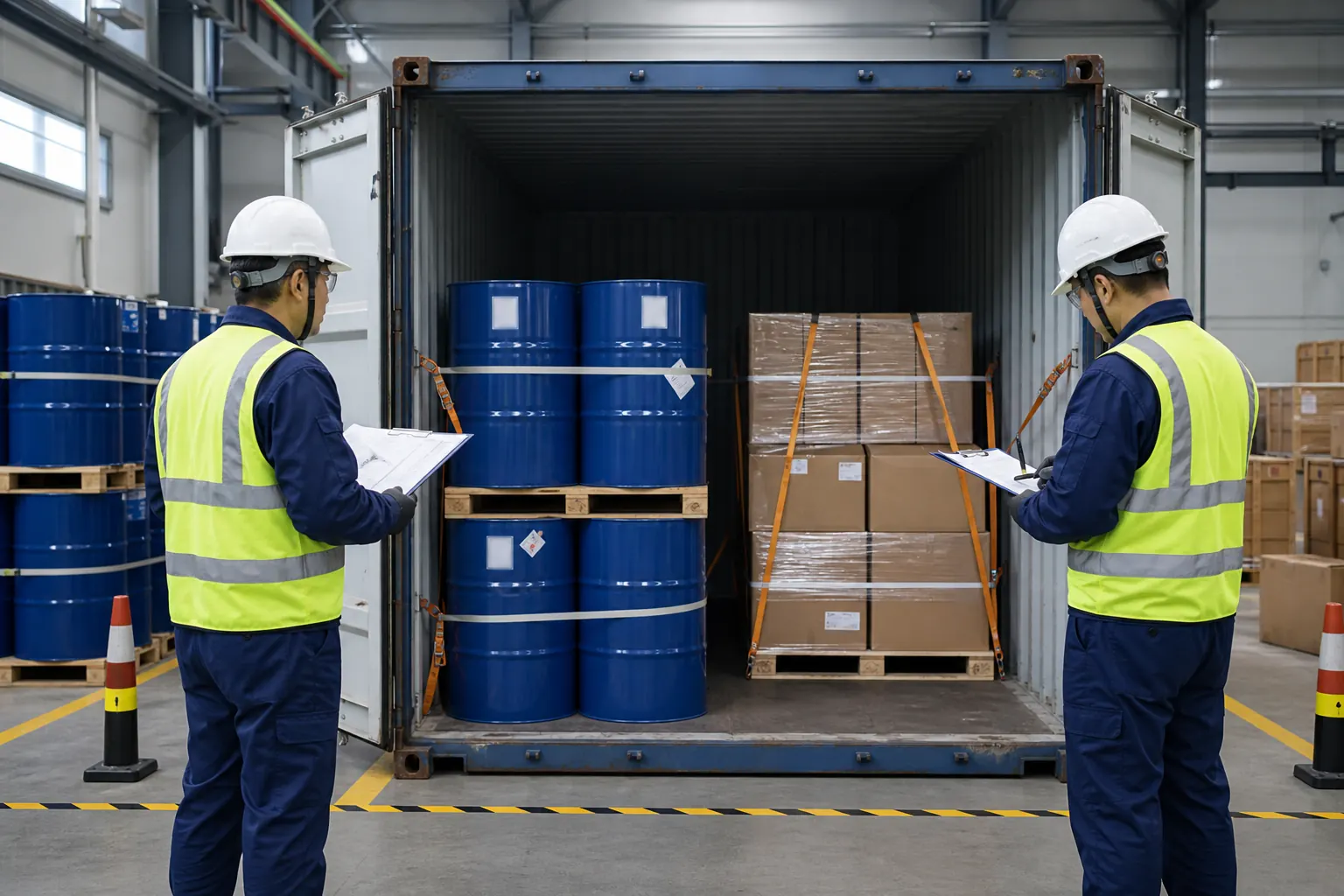
Dangerous goods may include flammable liquids, aerosols, gases, corrosive materials, oxidizers, toxic substances, environmentally hazardous substances and many batteries. For packaged sea freight, the IMDG Code provides requirements for classification, packaging, marks, labels, placards, documentation, container packing, segregation, stowage and emergency information.
The booking must use the correct UN number, proper shipping name, class or division, subsidiary hazard, packing group when assigned, flash point when relevant, marine pollutant status and package details. A trade name alone is not an acceptable transport description. The shipping line may also request the emergency contact, technical name, limited-quantity status, segregation information and port approval documents.
IMDG Code Amendment 42-24 is mandatory from 1 January 2026. Because carrier systems and port procedures may add operational requirements, dangerous goods should be reviewed before production is completed or the container is collected. Space for dangerous goods is controlled, and approval can take longer than an ordinary-cargo booking.
Documents for Dangerous Goods FCL Shipments
Dangerous Goods Transport Document or IMO Dangerous Goods Declaration. It must provide the regulated transport description and certify that the goods are correctly classified, packaged, marked, labelled or placarded and in proper condition for transport. The consignor signs and dates the declaration.
Container/Vehicle Packing Certificate. The responsible packer certifies that the container was suitable, packages were inspected, incompatible goods were not packed together, cargo was properly loaded and secured, and required marks and placards were applied. The certificate may be combined with the dangerous goods transport document when the required declaration is included.
Safety Data Sheet and technical classification. The current SDS supports the technical review. Depending on the commodity, the carrier may request a classification report, transport appraisal, competent-authority approval, test report or other evidence.
Packaging certificates and package information. UN specification packaging codes, packaging performance evidence, package type, quantity, net dangerous-goods quantity and gross weight must be consistent. Intermediate bulk containers, drums, combination packages and large packagings must be suitable for the substance and packing group.
Packing, marking and loading evidence. Photographs may be required before and after loading. They can show packages, UN marks, hazard labels, marine-pollutant marks, container placards, segregation, dunnage, lashing and the sealed container.
Standard export documents. Dangerous goods still require the commercial invoice, packing list, customs declaration data, shipping instructions, bill of lading review and VGM. All descriptions and quantities must agree across the commercial, customs and transport documents.
Document Comparison by Cargo Type
| Document / data | Ordinary cargo | Battery-powered products | Dangerous goods |
|---|---|---|---|
| Commercial invoice and packing list | Required | Required | Required |
| Customs declaration data | Required | Required | Required |
| Shipping instructions / B/L details | Required | Required | Required |
| Verified Gross Mass | Required | Required | Required |
| UN 38.3 test summary | Not applicable | Normally required for lithium batteries | Required when applicable |
| SDS / MSDS and battery specification | Not normally | Normally required for review | Required when applicable |
| Dangerous Goods Declaration | No | If regulated | Required |
| Container Packing Certificate | No | If regulated | Required |
| Packaging / classification evidence | Commodity-specific | Battery- and route-specific | Required as applicable |
| Carrier pre-approval | Standard booking | Battery-product review | Dangerous-goods approval |
How the FCL Booking Process Works
1. Cargo review. Send the detailed product description, HS code, material, use, photos, package data and technical documents. E-Quicky identifies whether the shipment should be handled as ordinary cargo, battery cargo or dangerous goods.
2. Route and port selection. The origin, factory location, destination port, consignee capability, transit time and carrier acceptance are compared. Direct sailings are preferred when they reduce handling risk, but schedule and equipment availability also matter.
3. Quotation and booking. The quotation should state the container type, ocean freight basis, origin charges, destination scope, free-time assumptions and any dangerous-goods or special-handling charges. Space is requested only after the cargo data is sufficiently complete.
4. Documentation and cut-offs. Shipping instructions, VGM, customs data and special cargo documents must be submitted before the relevant deadlines. Dangerous-goods documentation normally has an earlier review and approval process.
5. Container collection and loading. The empty container is inspected, transported to the loading location and packed according to the cargo plan. The shipper records package condition, container number and seal number.
6. Customs, terminal and departure. Export declaration is completed, the container enters the terminal and the carrier confirms loading subject to operational conditions. After sailing, the bill of lading is issued or released according to the agreed method.
7. Destination planning. Before shipment, the consignee should confirm import eligibility, licences, duties, taxes, destination charges, customs broker arrangements and inland delivery. A port-to-port quotation does not automatically include destination customs clearance or delivery.
Common Mistakes That Delay Container Shipments
The most common mistake is booking before the cargo is correctly classified. Other frequent problems include inconsistent invoice and packing-list data, vague product descriptions, missing battery models, outdated SDS files, mismatched UN 38.3 reports, incorrect gross weight, late VGM submission, missing dangerous-goods approval, weak packaging, undeclared wood packaging and a consignee that is not ready to clear the cargo.
Importers should also avoid planning only around the advertised sailing date. Empty-container release, factory loading, customs declaration, port cut-off, dangerous-goods cut-off, transshipment, destination free time and local delivery must be coordinated as one shipment plan. A small data error can become expensive once the container is at the terminal.
FCL Shipping Quote Checklist
Prepare the origin city and factory address; destination port and final delivery address; consignee company and import capability; detailed product name, material and use; HS code; cargo category; battery or dangerous-goods data; package count and type; net and gross weight; carton, crate or pallet dimensions; total volume; preferred container type; cargo-ready date; Incoterm; customs and delivery scope; loading method; and all available technical certificates and photographs.
For batteries, add chemistry, model, voltage, capacity, watt-hour rating or lithium content, battery quantity, configuration and UN 38.3 documents. For batteries above 100 Wh exported by sea from mainland China, also provide the Inspection Result Sheet for Use of Packaging for Outbound Dangerous Goods, commonly referred to as the dangerous goods packaging certificate. For dangerous goods, add the UN number, proper shipping name, class, packing group, flash point, marine-pollutant status, package specification and current SDS. The more complete the first submission is, the faster a realistic route and quotation can be prepared.
Frequently Asked Questions
Is FCL always cheaper than LCL? Not always. FCL becomes attractive when cargo volume, weight, handling risk or consolidation cost justifies a dedicated container. The comparison should include origin, ocean, destination and delivery charges rather than ocean freight alone.
Can ordinary cargo and dangerous goods be loaded in the same container? Sometimes, but only after the dangerous-goods classification, segregation and carrier rules are checked. Incompatible cargo must not be packed together. Never mix cargo first and ask for approval later.
Can battery-powered products ship in a normal dry container? Many eligible products can, but the battery documents, configuration, packaging, marks, labels and carrier acceptance must be reviewed first. A dry container does not remove dangerous-goods requirements.
Who provides VGM? Under SOLAS, responsibility belongs to the shipper named on the bill of lading or sea waybill. The weighing process and submission method must follow the rules accepted at the loading location and terminal.
Does E-Quicky ship to every port? Service can be arranged to major ports worldwide, but final availability depends on the shipping line, schedule, equipment, cargo type, dangerous-goods acceptance, port restrictions and destination import conditions.
When should dangerous goods be submitted for review? As early as possible, preferably before booking and before final production or packing decisions. Early review reduces the risk of using unacceptable packaging or missing a carrier cut-off.
Plan Your FCL Shipment with E-Quicky
A successful container shipment starts with transparent cargo information. E-Quicky can review the product, separate ordinary cargo from battery cargo and dangerous goods, compare suitable ports and carriers, and coordinate export documentation, container loading and ocean transport from China.
Send your product details, documents, photographs, package data, origin, destination and cargo-ready date. We will use the actual cargo profile to confirm the required documents and prepare the next shipping plan.
For FCL and LCL service scope, origin coordination and worldwide port coverage, review E-Quicky’s sea freight service from China or request a container-shipping review.
Regulatory References
International Maritime Organization: SOLAS verified gross mass requirements for packed containers.
International Maritime Organization: International Maritime Dangerous Goods Code, 2024 Edition incorporating Amendment 42-24, mandatory from 1 January 2026.
General Administration of Customs of the People's Republic of China: standards for completing import and export customs declaration forms.
United Nations Manual of Tests and Criteria, Part III, subsection 38.3: lithium-cell and battery testing and test-summary information.